Greg Gutfeld and Joy Behar Clash After Controversial On-Air Remark, As Reports of a $50 Million Legal Threat Ignite Debate Over Accountability and View’s Future
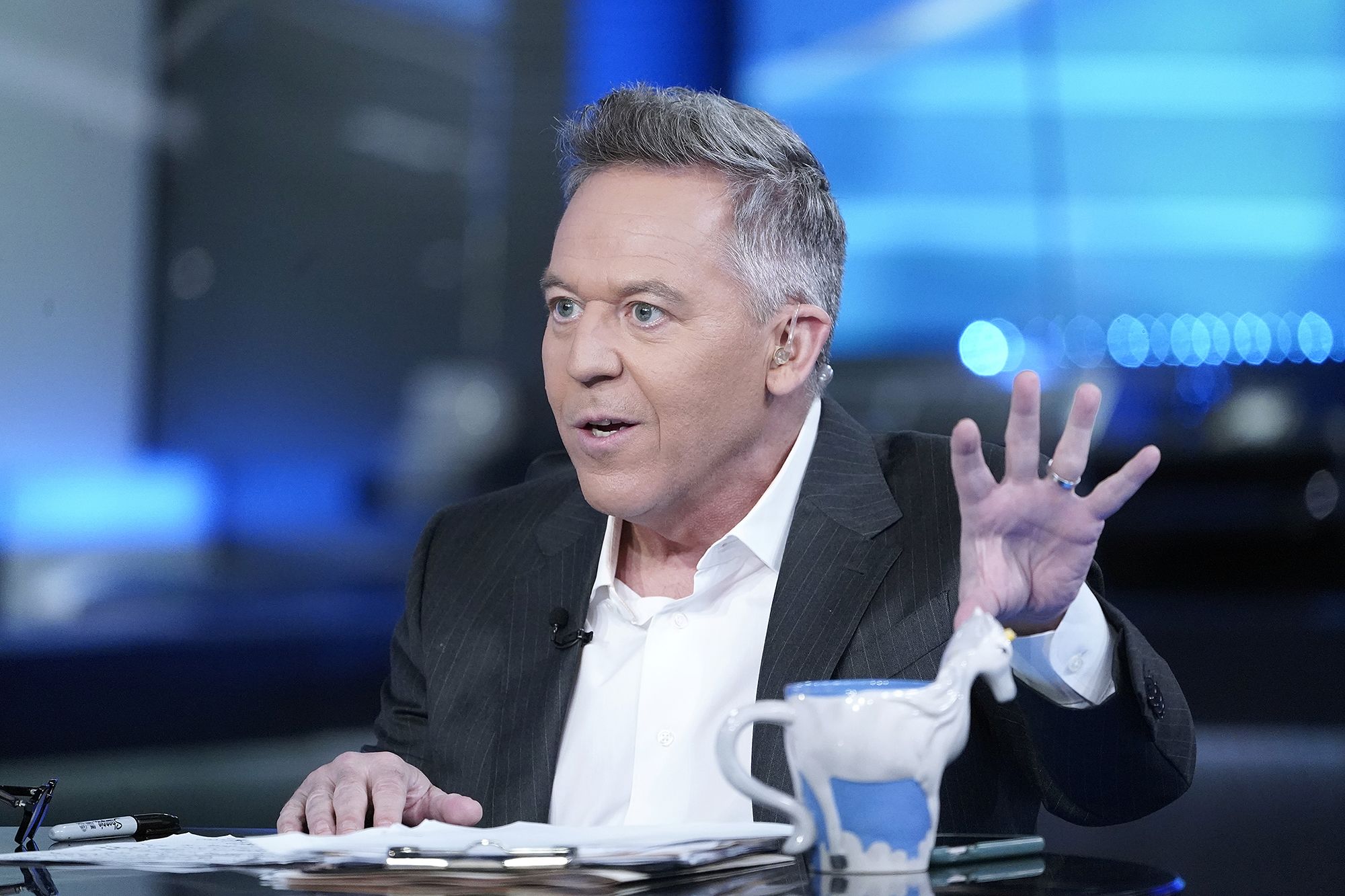
A storm swept through cable news and social platforms after reports circulated claiming Greg Gutfeld was considering extraordinary legal action following a controversial on-air exchange involving Joy Behar, instantly transforming routine media rivalry into a high-stakes national spectacle.
At the center of the controversy was an on-air remark attributed to Behar, framed by critics as crossing from sharp commentary into potentially defamatory territory, while supporters argued it reflected the show’s long-standing tradition of provocation.

The rumored figure, fifty million dollars, became symbolic rather than precise, representing perceived damage to reputation and professional standing in an industry where credibility is both currency and weapon.
Legal experts interviewed across networks urged caution, emphasizing that actual lawsuits require clear filings and substantiated claims, warning audiences against treating viral declarations as courtroom reality.
Nevertheless, the idea of litigation captured attention because it tapped into a cultural moment where public figures increasingly test legal boundaries in response to speech once dismissed as entertainment.
Supporters of Gutfeld framed the moment as overdue accountability, arguing that daytime television has long enjoyed latitude without consequences, despite shaping public opinion through repetition and ridicule.
Defenders of Behar countered that the controversy reflected selective outrage, insisting that satirical commentary is protected expression, and that threats of litigation risk chilling speech across the media landscape.
The View itself became part of the debate, with critics suggesting the show’s confrontational format invites controversy, while fans defended it as one of the few spaces where heated ideological disagreement is expected.
Social media amplified every angle, looping short clips detached from full context, encouraging instant judgment and tribal alignment rather than careful assessment of what was actually said.
Producers and network executives reportedly watched closely, aware that perception alone can affect advertising relationships, audience trust, and the long-term viability of polarizing formats.

The phrase “may never recover” circulated widely, not as a confirmed forecast but as a reflection of how quickly narratives of collapse gain traction in competitive media ecosystems.
Media scholars noted that high-profile legal threats often function rhetorically, signaling seriousness and resolve even when formal action never materializes.
This ambiguity proved combustible, because uncertainty invites speculation, and speculation fuels engagement, ensuring the story remained trending regardless of factual resolution.
Critics questioned whether audiences were witnessing genuine accountability or a performative escalation designed to dominate cycles rather than pursue legal remedy.
Others argued that even the possibility of litigation sends a message, reminding commentators that words broadcast to millions can carry consequences beyond applause or backlash.

The controversy reignited old debates about the role of opinion shows, asking whether entertainment framing absolves hosts from standards expected in traditional journalism.
Younger viewers approached the story differently, consuming it as meta-drama about media itself, less invested in legal outcomes than in power dynamics and spectacle.
Advertisers and sponsors faced their own calculus, weighing association risks against ratings spikes that controversy reliably produces.
Behind the scenes, attorneys cautioned that defamation cases involving public figures face high thresholds, making outcomes uncertain regardless of public sentiment.
Yet uncertainty did little to cool the discourse, because the story’s appeal lay not in resolution, but in conflict between two media archetypes representing opposing cultural tribes.

As days passed, fact-checkers attempted to ground the narrative, clarifying what had and had not been confirmed, often with far less reach than the original claims.
The episode highlighted a structural imbalance, where initial allegations travel farther and faster than corrections, shaping perception long before evidence catches up.
Whether or not legal action ever materializes, the moment has already altered conversations about tone, responsibility, and limits within televised commentary.
For The View, the challenge is less about a single remark than about navigating an environment where every exchange can be reframed as existential threat.
For Gutfeld, the episode reinforces his positioning as antagonist to mainstream media norms, a role that thrives on confrontation regardless of courtroom outcomes.
Ultimately, the firestorm endures because it reflects a broader cultural tension between free expression and accountability, entertainment and consequence.
In that sense, the story matters less for what will happen next, and more for what it reveals about how modern media turns conflict into currency.