FOX NEWS SHAKE-UP: Johnny Joey Jones Joins “The Five” — A Power Move That Could Redefine Cable News Debate
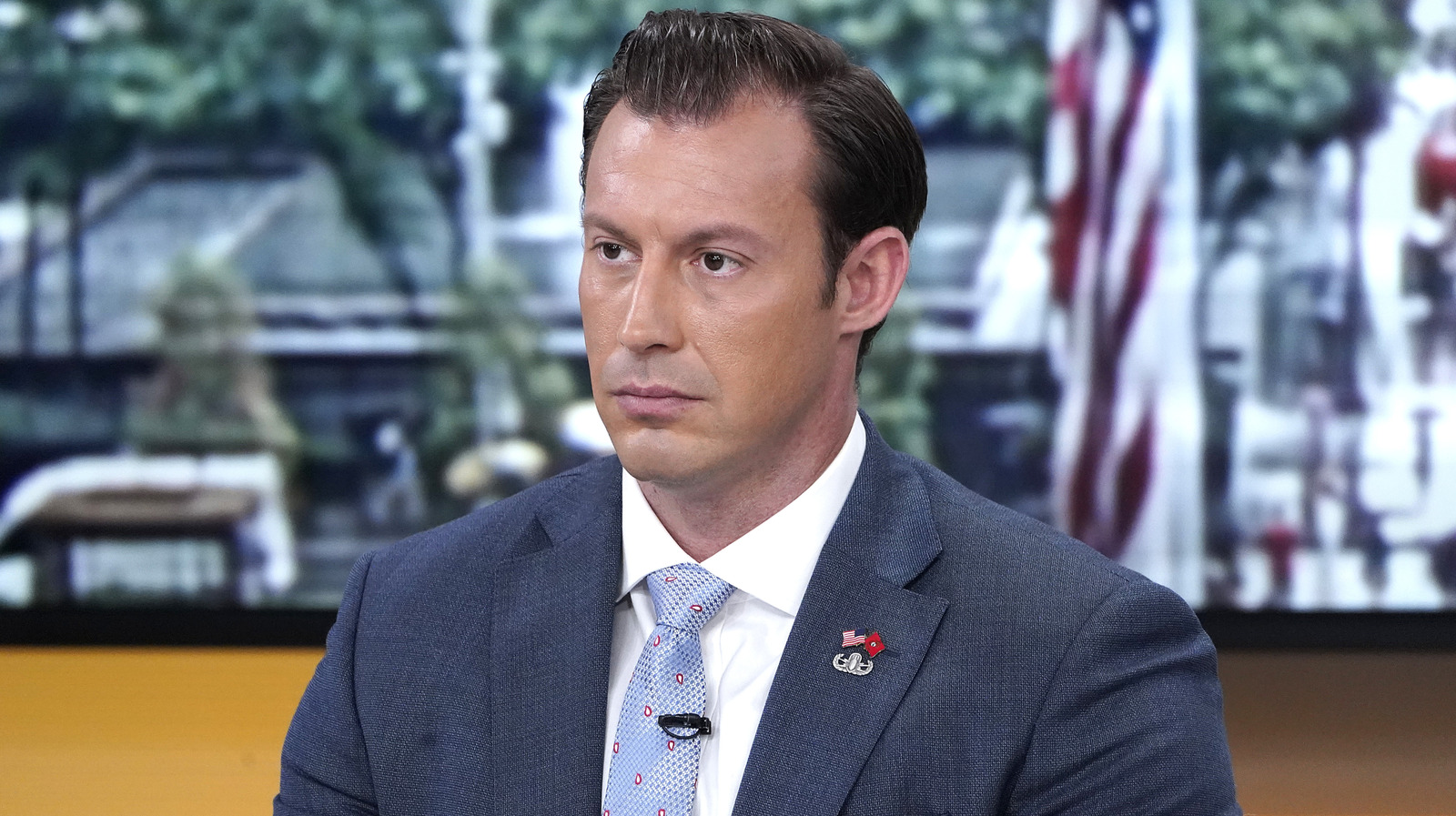
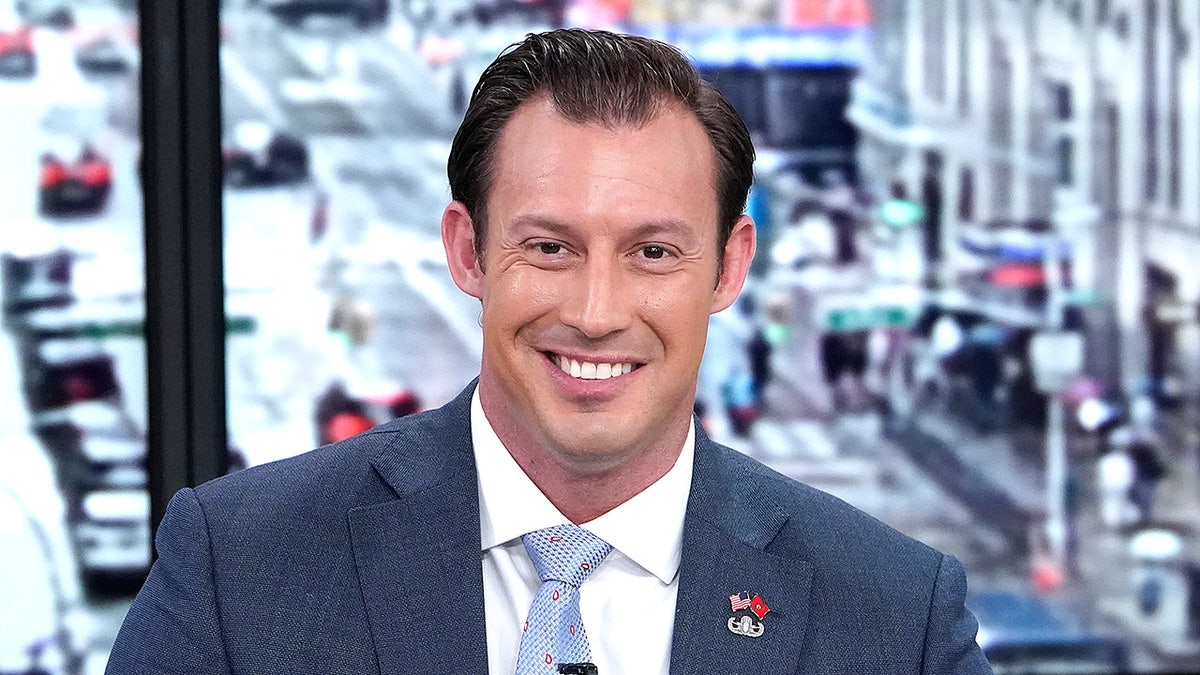
The announcement hit the media ecosystem like a controlled detonation, as Johnny Joey Jones was confirmed to be joining The Five, igniting instant reaction, heated speculation, and an emotional divide among viewers, critics, producers, and loyal fans across the political spectrum.
For years, The Five has thrived on ideological friction, rapid-fire exchanges, and cultural flashpoints, but this sudden casting shift signals a deeper recalibration of tone, message, and strategic direction inside Fox News itself.
According to insiders familiar with the decision, this move did not emerge from routine scheduling discussions, but rather from months of internal debate about audience engagement, cultural relevance, and the network’s evolving relationship with its increasingly polarized viewership.
The most surprising detail fueling online debate is that the transition was reportedly championed by Greg Gutfeld, whose influence inside Fox has quietly expanded as his unconventional style consistently dominates late-night ratings and viral discourse.
Sources describe Gutfeld’s endorsement as decisive, framing Jones as a voice capable of cutting through ideological noise with lived experience, emotional authenticity, and a confrontational honesty that resonates strongly with Fox’s core audience base.
Jones, a decorated Marine veteran and outspoken commentator, brings a narrative that blends patriotism, sacrifice, and media-savvy provocation, positioning him as both a moral authority and a cultural lightning rod on live television.
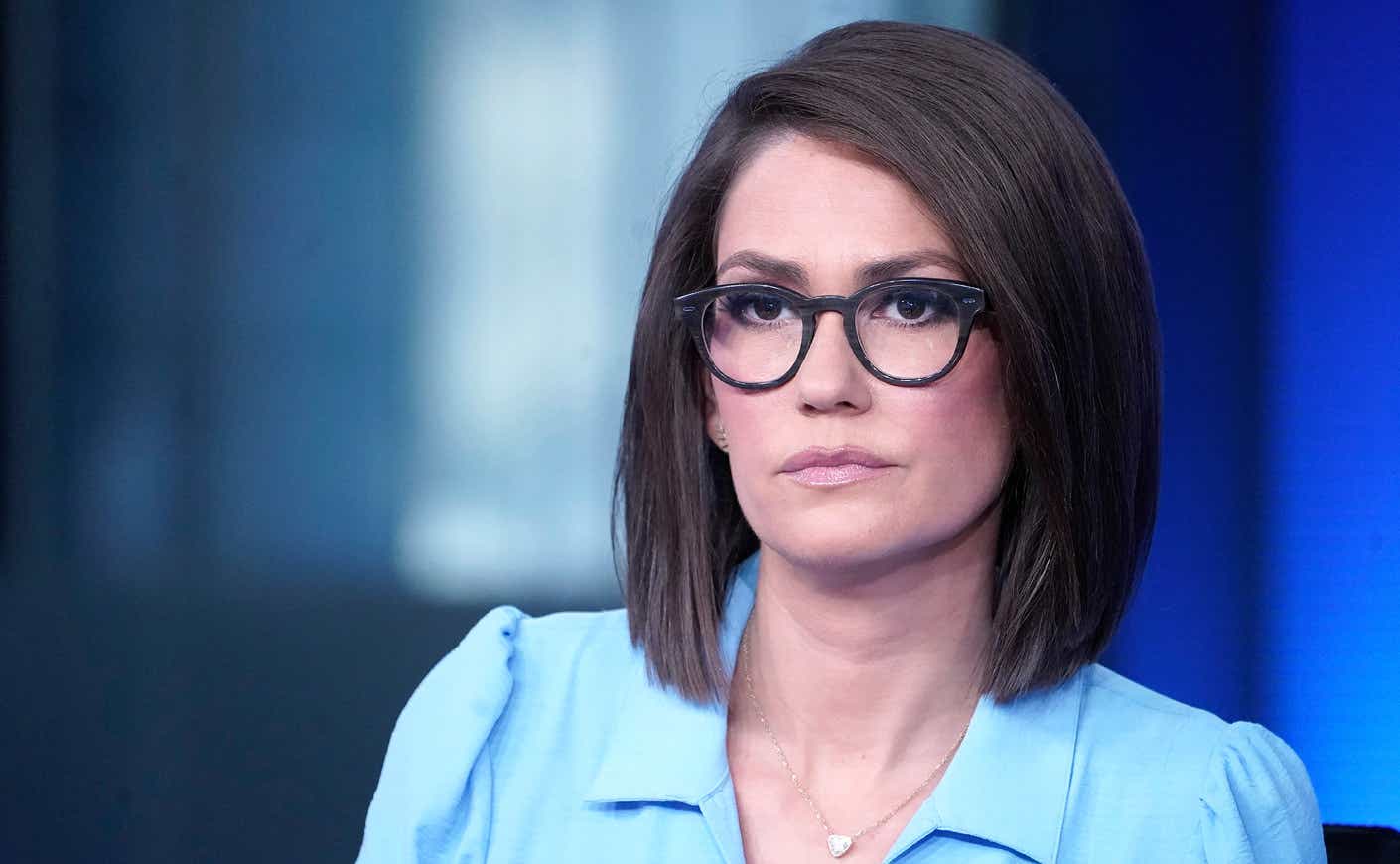
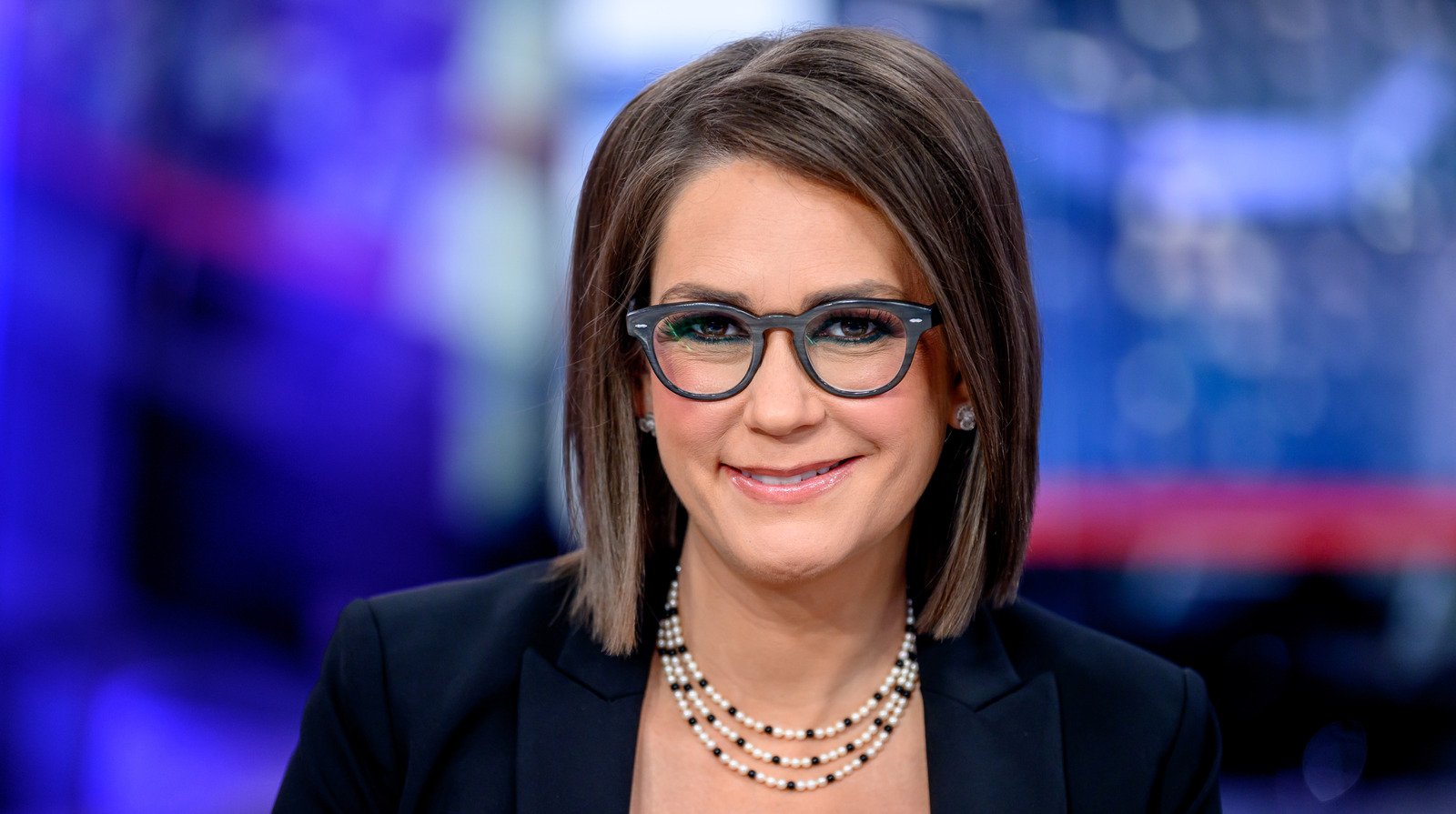
The seat Jones is set to occupy was previously held by Jessica Tarlov, whose progressive perspective often served as the ideological counterweight within the panel’s combustible conversational chemistry.
Her departure from the chair, whether temporary or permanent, has become its own flashpoint, with supporters questioning Fox’s commitment to balance while critics argue the network is simply responding to audience demand and ratings realities.
Behind the scenes, executives reportedly view the change as a calculated risk, one designed to reenergize the show’s format while sharpening its identity during a volatile election cycle and an increasingly fragmented media landscape.
Leaked internal memos suggest Fox leadership believes Jones’ presence could transform The Five from a familiar panel debate into a more emotionally charged battleground of values, identity, and national narrative.
Within minutes of the news breaking, social media platforms erupted, with hashtags related to Jones, The Five, and Fox News trending simultaneously across X, Facebook, and TikTok.
Supporters praised the move as overdue, arguing that Jones represents voices long marginalized by mainstream media elites and brings credibility forged through service rather than academic commentary.
Critics, however, accused Fox of intentionally sidelining dissenting viewpoints, warning that replacing Tarlov’s analytical pushback with Jones’ confrontational style risks turning debate into ideological reinforcement.
This tension is precisely what makes the decision so combustible, as Fox appears to be doubling down on personality-driven programming rather than traditional journalistic balance.
Industry analysts note that cable news is no longer competing on information alone, but on emotional loyalty, identity affirmation, and moments engineered for viral circulation.
From that perspective, Jones’ arrival seems less like a staffing change and more like a strategic pivot toward spectacle-infused commentary designed to dominate clips, memes, and algorithmic recommendations.
Insiders also reveal that the official start date has been carefully timed to coincide with a broader programming push, signaling Fox’s intention to reshape daytime and early-evening conversation dominance.
Producers are reportedly redesigning segment structures to give Jones more space for personal storytelling, unscripted reactions, and direct engagement with opposing panelists.
That approach mirrors the formula that elevated Gutfeld’s own show into a ratings juggernaut, blending humor, provocation, and cultural grievance into a format optimized for shareability.
The implications extend beyond Fox, as rival networks closely monitor whether this gamble pays dividends in audience retention and advertiser interest.
Media strategists argue that if Jones succeeds, other networks may accelerate their own shifts toward personality-centric casting rooted in identity narratives rather than traditional pundit credentials.
For longtime viewers of The Five, the change represents a moment of reckoning, forcing audiences to confront what they truly want from political television in a fractured national conversation.
Is the goal to challenge assumptions, or to reinforce deeply held beliefs through familiar voices and emotionally resonant storytelling?
Jones himself has remained publicly measured, offering limited comment while hinting that his approach will prioritize honesty, accountability, and unapologetic patriotism.
That restraint has only amplified anticipation, as fans and critics alike project their expectations onto a role that carries enormous symbolic weight.

Supporters envision Jones as a corrective force, someone who can confront progressive narratives with firsthand experience rather than abstract theory.
Opponents fear the erosion of ideological diversity, warning that television debate risks collapsing into performative affirmation instead of meaningful exchange.
This polarization underscores a broader truth about modern media, where controversy is no longer a byproduct of coverage but an intentional driver of relevance.
Fox News appears acutely aware of this reality, leveraging moments like this shake-up to dominate conversation cycles well beyond its own airwaves.
Whether Jones’ tenure ultimately redefines The Five or accelerates its transformation into a more openly partisan platform remains an open question.
What is undeniable, however, is that the network has successfully reignited debate, drawing eyes, clicks, and heated arguments from every corner of the digital public square.
As the official start date approaches, anticipation continues to build, with fans planning watch parties and critics preparing media watchdog critiques in equal measure.
In an era where attention is currency, Fox has once again demonstrated its mastery of spectacle, timing, and cultural provocation.
Johnny Joey Jones stepping into that chair is more than a casting decision; it is a statement about power, narrative control, and the future of televised political conversation.
And as millions tune in to witness the first exchange, one truth becomes clear: the real impact of this shake-up will not be measured in ratings alone, but in the intensity of the national conversation it ignites.